Gentle, Effective, Research-Supported Chiropractic Techniques
Pain-Free Methods That Restore Alignment, Balance & Function
Have questions or need support?
Send us a message and a member of our team will reach out shortly to assist you.
Atlas Orthogonal Technique (Low Force)
A highly advanced, instrument-assisted technique that gently and precisely realigns the atlas (C1) to restore whole-body balance.
What Is Atlas Orthogonal?
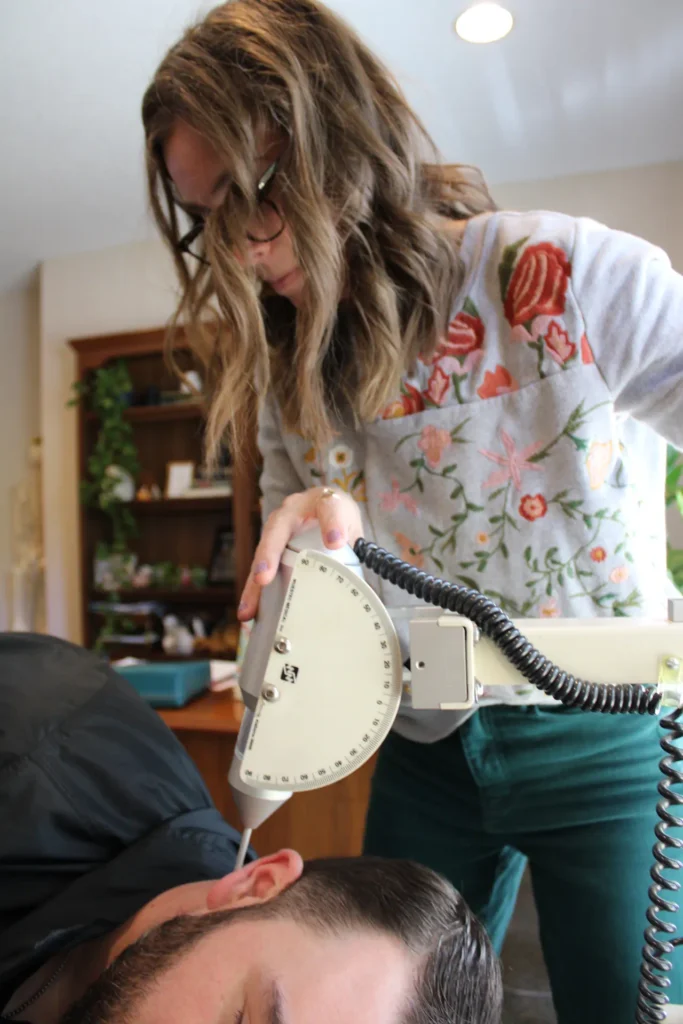
At Ammons Chiropractic Clinic, we specialize in the Atlas Orthogonal Technique, a gentle and scientifically advanced method that uses a percussive instrument—not manual force—to reposition the atlas vertebra (C1).
Because the atlas plays a central role in head and spine alignment, even a slight misalignment can disrupt posture, biomechanics, and neurological function.
When the atlas is corrected and repositioned into its orthogonal (neutral) alignment, the rest of the spine naturally follows, allowing the body to heal and restore communication through the nervous system.
- Focus on the Atlas (C1):
The atlas supports the skull; misalignment can lead to full-body compensation patterns and pain. - Gentle and Non-Forceful:
No twisting, cracking, or popping—just a precise percussive adjustment. - Precision-Based Diagnostic Imaging:
X-rays identify the exact degree of misalignment for a fully customized adjustment. - Instrument-Guided Adjustment:
A gentle percussive wave realigns the atlas with minimal sensation. - Nervous System Optimization:
Correcting atlas alignment reduces brainstem interference and supports whole-body healing. - Long-Lasting, Holistic Benefits:
Improves posture, balance, spinal alignment, and overall function.
- Chronic neck and back pain
- Headaches & migraines
- Vertigo and dizziness
- TMJ dysfunction
- Fibromyalgia symptoms
- Post-concussion symptoms
- Sleep disturbances
- Sciatica & nerve-related pain
- Assessment: Detailed history + imaging (typically X-rays).
- Treatment: A quick, painless Atlas Orthogonal instrument adjustment.
- Follow-Up: Monitoring posture, alignment, and symptom improvement over time.
Activator Methods Technique (Low Force)
What Is the Activator Method?
The Activator Methods Technique (AMCT) uses a spring-loaded hand-held instrument to deliver a quick, low-force impulse to targeted joints.
It is one of the most widely studied chiropractic techniques and is ideal for patients who prefer gentle adjustments or require special care.
- Low-Force Adjustments:
The Activator instrument delivers a fast, gentle impulse—ideal for sensitive patients. - Targeted Precision:
Adjustments are specifically directed at the affected vertebra or joint. - Speed Prevents Muscle Guarding:
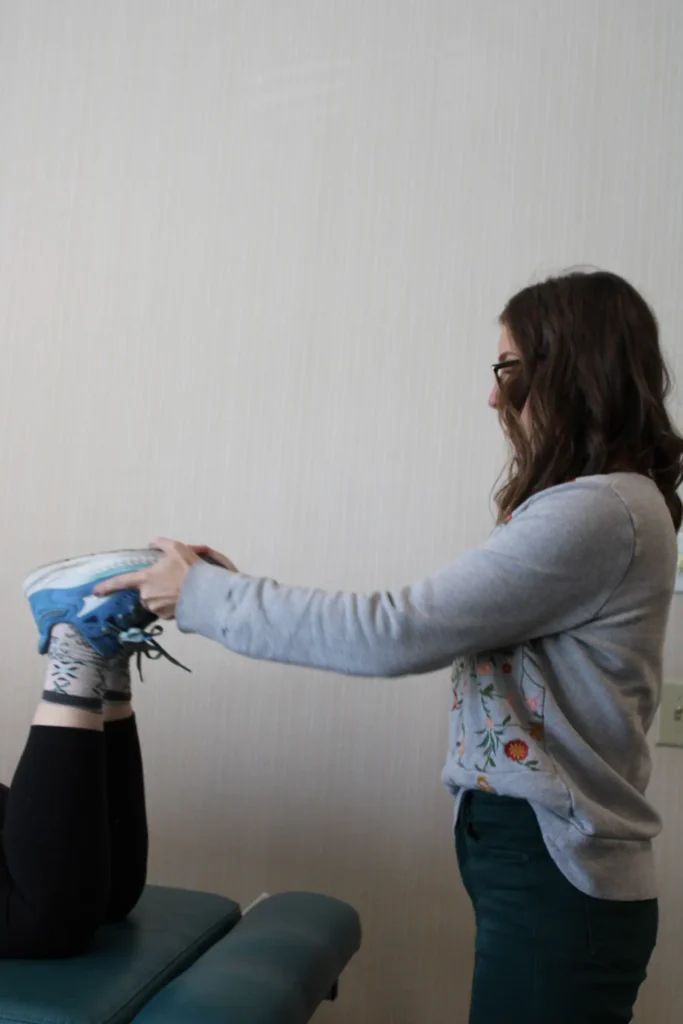
The rapid impulse allows the body to accept the adjustment without resistance. - Evaluation Protocol:
Includes leg length checks, mobility assessments, and neurological indicators. - Customization for All Patients:
Appropriate for:- Seniors with arthritis or osteoporosis
- Children
- Individuals with acute pain
- Patients who prefer non-manual adjustments
- Gentle and non-invasive
- Ideal for sensitive or high-risk patients
- Improves joint mobility and reduces tension
- Reduces nerve interference and supports optimal function
- Research-supported and widely practiced internationally
- Neck & back pain
- Sciatica
- Headaches & migraines
- TMJ dysfunction
- Carpal tunnel syndrome
- Plantar fasciitis
- Sports injuries
- Repetitive strain injuries
- Initial Assessment: History, physical exam, diagnostic movement testing
- Adjustment: A series of quick, gentle instrument impulses
- Reevaluation: Checking spinal balance and mobility post-adjustment

Webster Technique
What Is the Webster Technique?
The Webster Technique focuses on restoring proper alignment to the pelvis and sacrum.
Widely used during pregnancy, it helps reduce tension in muscles and ligaments that affect the uterus and surrounding structures, supporting both comfort and optimal fetal positioning.
Although most known for prenatal care, the technique benefits anyone with pelvic misalignment or sacral dysfunction.
- Gentle & non-invasive adjustments
- Focused on pelvic and sacral alignment
- Certified training required for chiropractors
- Reduces nerve interference affecting posture, balance, and comfort
- Improved pelvic balance
- Reduced lower back, hip, and round ligament pain
- Supports optimal fetal positioning
- Promotes easier, more comfortable pregnancy and delivery
- Enhances mobility and structural stability
- Sacroiliac joint dysfunction
- Lower back and pelvic pain
- Sciatica & nerve irritation
- Round ligament tension
- Postural or biomechanical imbalance
- Pelvic and sacral evaluation
- Gentle adjustments
- Soft-tissue support for surrounding ligaments
- Personalized recommendations for movement & posture