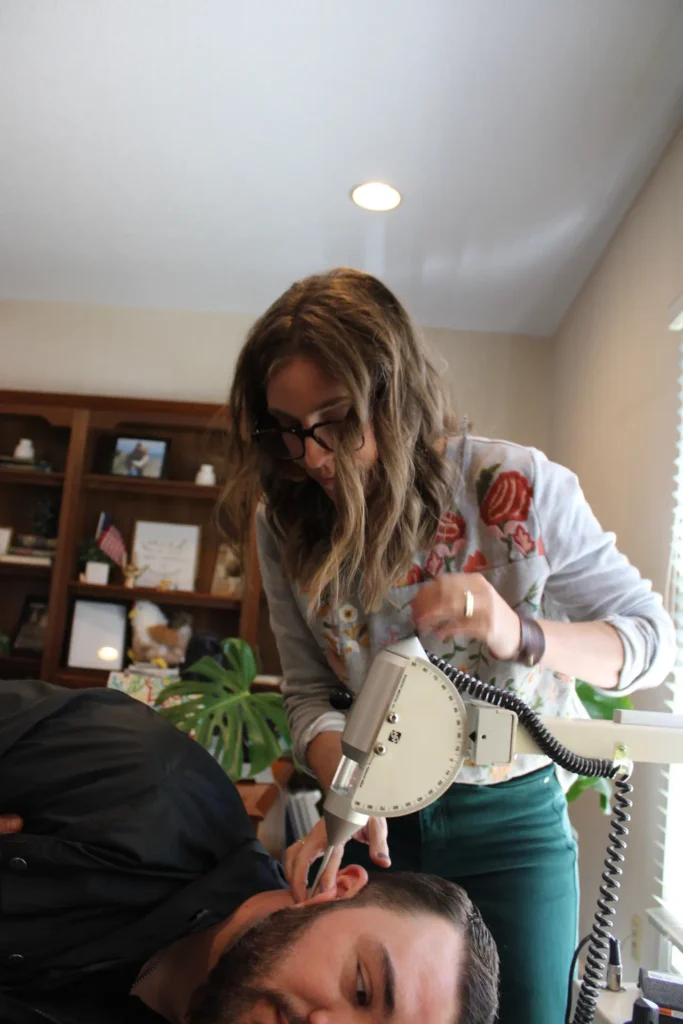
TMJ, or Temporomandibular Joint Disorder, affects the hinge joint that connects your jaw to your skull. Although many people associate chiropractic care solely with back and neck issues, the jaw is also a highly responsive region for chiropractic treatment because of its connection to the spine, posture, and surrounding musculature. TMJ disorders can cause significant discomfort and disrupt daily activities such as talking, chewing, yawning, and even sleeping. Many patients in Sanford NC are surprised to discover that their symptoms can be relieved through gentle, non-invasive chiropractic care that focuses on restoring balance in the jaw and cervical spine.
The temporomandibular joint is one of the most frequently used joints in the body, responsible for thousands of movements every day. Because of this constant activity, even small misalignments or muscle imbalances can lead to pain and dysfunction. Common symptoms of TMJ include jaw pain, clicking or popping sounds when opening or closing the mouth, difficulty opening the mouth fully, jaw locking, uneven bite patterns, pain when chewing or yawning, and discomfort in the ear, cheek, or teeth. Some patients also experience headaches , dizziness, ringing in the ears, and even neck pain as part of TMJ dysfunction. Because the jaw and cervical spine share muscular and neurological connections, dysfunction in one area often contributes to problems in the other.
TMJ can stem from a wide range of causes. Some individuals develop TMJ after a traumatic injury, such as a blow to the jaw or a dislocation. Others experience symptoms due to prolonged dental procedures, chronic clenching or grinding of the teeth (bruxism), or high levels of emotional stress that cause tension in the jaw muscles. Hormonal factors may also play a role, as women are statistically more likely to develop TMJ disorders than men. In many cases, the root cause involves a combination of muscular imbalance, joint misalignment, and nerve irritation—all of which can be addressed through chiropractic treatment.
If left untreated, TMJ disorders may worsen over time, leading to chronic pain, increased joint degeneration, difficulty eating, sleep disturbances, and significant stress on surrounding tissues. Early evaluation is crucial in preventing long-term complications and improving quality of life. Chiropractic care offers a natural, gentle, and effective path toward relief by targeting the underlying biomechanical and neurological sources of TMJ dysfunction. In some cases, advanced therapies like K-Laser therapy may also be recommended to reduce inflammation and accelerate healing.